
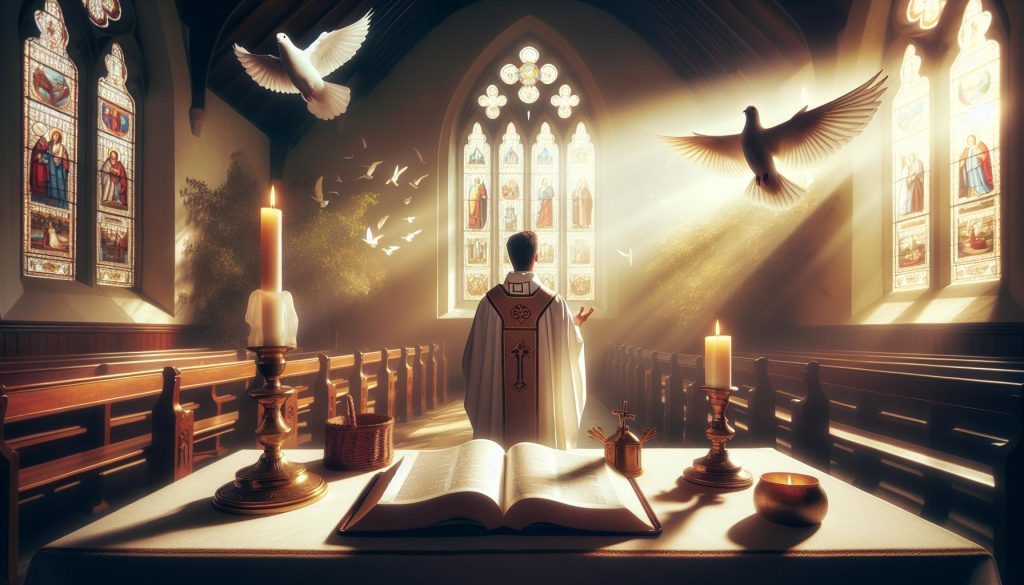

What Does the Bishop Say During Holy Orders? Explained for Believers
Ever been curious about what happens behind the sacred doors during Holy orders? You might picture a solemn ceremony, but there’s more too it than meets the eye—like a mystery novel were each word is a plot twist! In this enlightening yet entertaining article, “What Does the Bishop Say During Holy Orders? Explained for Believers,” we’ll take you on a journey through the poignant phrases and powerful prayers that are layered with centuries of tradition and meaning.
Imagine a moment where the divine meets the delightful; where solemn vows dance with a sprinkle of light-heartedness! Whether you’re a lifelong churchgoer, a curious seeker, or just someone who loves a good story, get ready to uncover the profound—and occasionally amusing—sayings of the bishop that transform ordinary lives into unusual paths of service. dive in, and let’s shed some light on this sacred rite with clarity, humor, and a touch of reverence!
Understanding the Significance of Holy Orders in the Catholic Tradition
Holy Orders is a sacrament of significant importance within the Catholic Church, as it highlights the transformative journey of a believer becoming an ordained minister. The ritual underscores the gravity of the commitment undertaken by the bishop, who serves as a representative of Christ and the Church. During Holy Orders, the bishop confers special graces and responsibilities upon the ordinands, which include:
- Spiritual Leadership: The bishop empowers the newly ordained to guide the faithful in their spiritual journeys.
- Administration of Sacraments: Those ordained can perform essential sacraments, such as the Eucharist and Reconciliation.
- Teaching the Faith: An ordained person is tasked with educating members of the Church about the Gospel and Church teachings.
- Community Service: They are called to be active participants in and contributors to their local communities.
During the ordination ceremony, the bishop recites specific words and prayers that signify his invocation of the Holy Spirit. This moment is pivotal as it illustrates the theological understanding of the sacrament. The bishop states:
| prayer/Event | Significance |
|---|---|
| Imposition of Hands | Symbolizes the transfer of authority and the calling of the Holy Spirit. |
| Litany of Saints | Invokes the intercession of saints, emphasizing community and support. |
| Ordination Prayer | Asks for spiritual empowerment and strength for the ordinand’s new role. |
This sacrament embodies the continuity of the apostolic mission and the Church’s deep-rooted tradition, ensuring that divine guidance remains at the heart of the ministry. Such declarations made by the bishop during Holy Orders not only solidify the identity of the ordained but also remind the Church of its ongoing mission to serve and spread the Gospel.

The Role of the Bishop in the Holy Orders Ceremony
During the Holy Orders ceremony, the bishop assumes a critical role that is deeply rooted in tradition and theological significance. The Bishop stands as the apostolic successor, symbolizing the continuity of the Church and the unbroken line of ordination that traces back to the apostles. This pivotal position not only grants the Bishop authority within the Church but also embodies the sacramental nature of Holy Orders,connecting the individual being ordained with the broader community of believers.As part of the rite, the Bishop delivers key prayers and invocations that set the tone for the ceremony. Among these, the Prayer of Consecration stands out as a fundamental moment where the Bishop asks for the Holy Spirit to descend upon the candidates, empowering them for their new ministry. This prayer is a powerful invocation, often encompassing:
- Acknowledgment of the candidates’ commitment and readiness.
- A plea for divine grace to guide them in their new responsibilities.
- The request for the indelible mark of ordination to be bestowed upon them.
Furthermore, the Bishop’s hands are typically laid upon each candidate, signifying the transfer of spiritual authority and grace. This physical gesture, accompanied by the solemn words spoken by the Bishop, reinforces the deep, theologically rich understanding of community and mission within the Church.
| Key Elements of the Bishop’s Role | Significance |
|---|---|
| Prayer of Consecration | Invokes the Holy Spirit and empowers candidates |
| Imposition of Hands | Symbolizes spiritual authority and grace transfer |
| address to the Congregation | Encourages community support for the newly ordained |
Through these actions, the Bishop not only fulfills a liturgical function but also articulates the Church’s mission and the essential call to service for the ordained. Each moment within the ceremony carries profound meaning, reminding those present of their shared faith and collective responsibility to support their leaders and each other in their spiritual journeys.
Key Prayers and Blessings: what the Bishop Communicates
During the holy Orders, a significant moment occurs when the bishop offers specific prayers and blessings that encapsulate the intentions of the rite. These liturgical expressions are steeped in tradition and purpose, aiming to empower and guide the ordinands in their future ministry. The prayers often include:
- Epiclesis: A powerful invocation calling upon the Holy Spirit to descend upon the ordinands, empowering them with divine grace.
- Prayer of Ordination: This prayer succinctly articulates the essential qualities of the ordained ministry, emphasizing roles such as shepherd, teacher, and servant.
- Blessing of the Sacred Oils: Frequently enough performed alongside ordination, this blessing sanctifies oils used in sacraments, signifying the connection between the ordinands’ ministry and the broader Church.
The bishop’s blessings further serve to strengthen the faith community by acknowledging the new roles within the Church. Key aspects of these blessings include:
| Aspect | Significance |
|---|---|
| Service: | Empowerment to serve the Church and its members with love and faithfulness. |
| Unity: | Emphasizing the importance of being in communion with the Church and each other. |
| Mission: | Encouragement to evangelize and fulfill the Church’s mission in the world. |
The impact of these prayers and blessings resonates throughout the community, as they mark a transformative moment not just for the ordinands, but for the entire congregation. By formally recognizing this new chapter in the ordained ministry, the bishop cultivates a spirit of hope and commitment among all believers, fostering an enriching environment for spiritual growth.
Symbolism in the Rite of Holy Orders: A deeper Look
The Rite of Holy Orders is rich with symbolism,deeply rooted in biblical traditions and the teachings of the Church. At the heart of this rite lies the transformative power of the Holy Spirit, as the bishop invokes divine presence through specific prayers and gestures.These elements are not merely ceremonial; they serve as profound symbols of the responsibilities and spiritual authority being conferred upon the ordinands.
Key symbols in the Rite include:
- Imposition of Hands: This ancient gesture signifies the transfer of spiritual authority, as well as the bishop’s role as the successor of the apostles. It represents a direct link to the early Church and the apostolic mission.
- Holy Chrism: The anointing with sacred oil is a powerful symbol of being set apart for a divine mission. this signifies the receipt of the Holy Spirit, empowering the ordinand to carry out the duties of their office with grace and strength.
- Liturgical Garments: The vestments worn during the ceremony symbolize the dignity and office of the priesthood.Each piece,from the chasuble to the stole,reflects the rich tradition and the responsibilities the new priest is undertaking.
Throughout the ceremony, the bishop conveys the theological underpinnings of these symbols through liturgical language and actions. Each phrase spoken during the rite encapsulates essential truths about faith, community, and service. As a notable example, when the bishop states, “Receive the Holy Spirit,” it underscores the belief that the newly ordained will not act alone but will be guided and empowered by the Holy Spirit in their ministry.
This profound layering of symbolism invites the faithful to reflect on their own roles within the Church. By understanding the depth of meaning in the rite of Holy Orders, believers can appreciate the significance of their clergy and recognize the ongoing call to holiness within their communities.
Theological Implications of the Bishop’s Words During Ordination
The words spoken by the bishop during the ordination ceremony are not merely ceremonial; they carry profound theological implications that resonate throughout the life of the Church and its individual members. These declarations serve as a formal affirmation of the candidate’s call to ministry and also delineate the sacred trust being placed upon them. The bishop’s words encapsulate a framework of apostolic succession, emphasizing the continuity of authority from the apostles to the present-day clergy. This connection sustains the Church’s mission and underlines the belief that ordination is an act filled with divine grace.
Central to the bishop’s address is the concept of service. The ordination symbolizes the transition from a layperson to a servant leader within the Church, called to guide the faithful. Key elements spoken during this sacred rite often include:
- The Call to Ministry: an acknowledgment of the divine vocation that the ordinand has responded to.
- Commitment to Teach and Preach: A call to faithfully convey the teachings of Christ and the traditions of the Church.
- Empowerment by the Holy spirit: Recognition of the grace given to the ordained for the ministry, emphasizing reliance on divine assistance.
Moreover,the bishop’s pronouncements touch upon the sacramental nature of ordination. Each word carries weight in articulating the reality of the sacrament, where the holy Spirit is invoked to empower the new clergy. The theology surrounding this sacramental efficacy stresses that ordination is not only a human affair but also a divine ordinance, restoring and renewing the community of believers through consecrated leadership.
the theological weight of the bishop’s words during the ordination encapsulates critical themes of authority, service, and sacramental grace. These themes not only provide a clear mandate for the newly ordained but also deepen the faith and understanding of the entire community, which looks to its leaders for guidance in their spiritual journey.
Fostering Spiritual Growth: Reflections for Newly Ordained Ministers
Newly ordained ministers often find themselves at a profound crossroads as they embrace their calling, navigating both the sacred responsibilities bestowed upon them and their personal paths of spiritual growth. In the Holy Orders ceremony, the bishop imparts not only conventional blessings but also invaluable teachings meant to guide ministers in their new roles.It is crucial for these spiritual leaders to reflect on these teachings, allowing them to cultivate a deeper understanding of their vocation.
During the rite of ordination, the bishop emphasizes several core themes that are pivotal for fostering spiritual growth:
- Service to the Community: The bishop reminds that ministry is fundamentally about serving others, understanding that a minister’s impact extends far beyond their church’s walls.
- Personal Prayer Life: Maintaining a robust personal prayer practice is essential. The bishop encourages ministers to engage deeply with their spiritual lives to nourish their souls and enhance their ministry.
- Ongoing Formation: The journey of learning does not end with ordination. Embracing continued education, mentorship, and spiritual retreats are vital aspects of a minister’s growth.
- Building Relationships: Effective ministry is rooted in genuine connections.The bishop highlights the importance of nurturing relationships with both congregants and fellow clergy.
Additionally, the teachings offered can serve as a framework for a minister’s journey. One way to visualize these teachings is through a simple table:
| Core Themes | Reflection Questions |
|---|---|
| Service to the Community | How can I better serve my community today? |
| Personal Prayer Life | Am I making time for daily prayer? |
| Ongoing Formation | What new knowledge or skills can I develop to enhance my ministry? |
| Building Relationships | How can I foster deeper connections within my congregation? |
By embracing these reflections, newly ordained ministers can lay a solid foundation for their spiritual journeys, enriching not only their ministry but also the lives of those they serve. The bishop’s words are not mere formalities; they are a clarion call to lead with heart and soul, shaping a fulfilling path as spiritual guides.
Encouraging Active Participation: How Laypeople Can Engage with Holy Orders
Engaging with the sacrament of Holy Orders offers laypeople a unique opportunity to deepen their spiritual journey and connect with their faith community. Though traditionally perceived as a rite solely for clergy, active participation can enhance the experience for all believers.Here are some ways in which laypeople can become involved:
- Participate in Preparation: Laypeople can engage in the formation process by attending workshops, discussions, or retreats related to Holy Orders. This can provide insights into the responsibilities and spiritual significance of ordained ministry.
- Pray for Candidates: Supporting those who are preparing for ordination through prayer fosters a community spirit. Consider organizing prayer groups or dedicated prayer days to reflect on their journey.
- Attend Ordination Services: Being present at ordination ceremonies allows laypeople to witness the sacrament firsthand. It is indeed an opportunity to celebrate with the community, offering support and encouragement to new ministers.
- Volunteer in Parish Ministries: Many ordained ministers rely on the support of their congregations for various church activities. Volunteering can provide practical assistance while also enhancing your understanding of church operations and the role of clergy.
Moreover,understanding the specific words spoken by the Bishop during Holy Orders can further involve laypeople in the liturgical significance of the event. The Bishop’s pronouncements highlight vital themes such as commitment, service, and the mission of the Church. Here’s a simplified overview:
| Key Phrase by the Bishop | Meaning |
|---|---|
| “Receive the Holy Spirit” | Signifies the empowerment of the candidate to lead and serve. |
| “Do you promise to serve?” | Affirms the candidate’s commitment to pastoral duties. |
| “Be a shepherd” | Encourages the candidate to guide and nurture the flock. |
By actively engaging in these aspects, laypeople can enrich their spiritual lives and foster a deeper connection to the Church while supporting those who are answering the call to ministry.
Frequently asked questions
What is the significance of the words the bishop uses during Holy Orders?
The words spoken by the bishop during Holy Orders hold profound significance in the roman Catholic tradition. These words are not simply formalities; they are part of a rich sacramental theology that emphasizes the gravity and sacredness of the ordination process. The most crucial part is the Episcopal consecration, wherein the bishop invokes the Holy Spirit to bestow the grace necessary for the recipient to fulfill their ordained ministry.
Such as, during the rite of ordination, the bishop typically states, “Send your Holy Spirit upon [Name] to be his helper and guide.” This act represents a profound conversion; it indicates that the candidate is not only taking on a new role within the Church but is also being equipped spiritually to carry out that role. Each phrase in the rite is steeped in biblical tradition, harkening back to moments in scripture when individuals were anointed or called for special tasks, reinforcing the continuity of apostolic succession that the Church prides itself on.
How do the bishop’s declarations connect to the broader Holy Orders tradition?
The bishop’s declarations in the Holy Orders rite are deeply intertwined with the broader tradition of sacraments in the Church. Holy Orders is considered one of the seven sacraments of the Catholic Church, signaling a distinctive moment when an individual is set apart for a sacred function. The formal words of the bishop represent not just a moment of transition for the individual being ordained,but also a reaffirmation of the Church’s institutional memory and continuity in ministry.
Moreover, the rite serves to emphasize the communal aspect of ordination. By declaring specific roles—such as priest, deacon, or bishop—the bishop affirms the recipient’s new responsibilities not just before God but also before the community of believers. It is a reminder that sacraments are not individualistic experiences; they happen within the context of a larger body of faith. In essence, these declarations help foster a sense of belonging and also accountability within the Church.
What are the different roles within Holy orders,and how does the bishop address each?
Within the sacrament of Holy Orders,there are three distinct roles: bishops,priests,and deacons,each with unique responsibilities and functions within the Church. the bishop’s words during the ordination ceremonies are tailored to reflect the specific role being conferred. For instance, during the ordination of a Bishop, the promises and duties regarding the pastoral care of the Church are highlighted; similarly, when ordaining priests or deacons, the emphasis is placed on their sacramental and ministerial duties.
For example, when ordaining a priest, the bishop might say, “Receive the Holy Spirit. Whose sins you forgive are forgiven them, and whose sins you retain are retained.” This line communicates the power and authority the priest is granted to administer the sacraments, especially the sacrament of reconciliation. For a deacon, the bishop may emphasize service to the Church, stating, “As a deacon, you will assist the bishop and priest in their ministry.” These words are filled with deep theological implications, affirming the diverse yet unified roles within the ecclesiastical hierarchy.
How do the bishop’s words reflect the commitment of the ordained?
The declarations made by the bishop during the Holy Orders ceremony are not merely informative; they serve as solemn commitments that underscore the seriousness of the ordained ministry. Each phrase anchors the recipient in their new role and signifies their acceptance of the responsibilities that come with it. The emphasis on the Holy Spirit’s empowerment also signifies that this commitment is not a solo venture; it is an undertaking blessed by God.
An individual being ordained is expected to fully embrace these responsibilities — preaching, administering sacraments, and guiding the faithful. The bishop’s words remind them that they are not merely taking on a position. Rather, they undertake a sacred covenant and a lifestyle dedicated to spiritual service. This commitment is echoed throughout Church teaching and tradition, marking the transition as both a priviledge and a burden, steeped in accountability to both God and the community.
Why are the bishop’s words considered a blessing?
The bishop’s words during Holy Orders are seen as a form of blessing becuase they invoke divine grace upon the candidates being ordained. This is not just ceremonial; it conveys a deep theological truth that God’s grace works through the ministry of the Church. The act of ordination is rich with blessings, from the laying on of hands to the spoken declarations, all of which are intended to prepare the individual for their sacred responsibilities.
Such as, the bishop’s declaration, “We ask you, Lord, to bless this servant of yours,” resonates with believers because it suggests that the Church—through its hierarchy—is acting as a conduit for God’s grace. This blessing underscores the belief that ordination is less about the individual’s merit and more about God’s action. It reflects the essential nature of the Church as a community through which divine grace flows, making the ordained not just leaders, but spiritual shepherds guided by a higher power.
How do these declarations impact the wider Church community?
The declarations made by the bishop during the Holy Orders ceremony reverberate beyond the immediate context, impacting the wider Church community. The words signify a new chapter in the life of the Church, bringing with them the promise of renewed service, leadership, and pastoral care. This moment serves as a focal point that can inspire congregants, bolstering their faith and encouraging communal involvement.
Moreover, these declarations foster a sense of unity within the Church. When a new priest is ordained, the community witnesses the continuation of apostolic tradition and the unfolding of God’s mission through their local church. This dynamic not only enhances the communal worship experience but also strengthens the collective responsibility of all believers to support the ordained ministries.In essence, every ordained individual is reminded that they serve not only in their capacity but as part of a vibrant tapestry of faith, enriched and upheld by those around them.
Key Takeaways
the words spoken by the bishop during the Holy Orders are a profound reflection of the Church’s mission and the sacred trust bestowed upon those entering the priesthood. each phrase is steeped in tradition and carries significant theological weight, emphasizing both the responsibilities and the grace that accompany this sacred commitment. As we explore these pivotal moments in the ordination process, we come to appreciate not only the spiritual journey of those being ordained but also the larger community that supports and nourishes them. Understanding the nuances of this ceremony helps deepen our connection to the faith and highlights the continuing importance of these rituals in our lives as believers. By appreciating the language and intent behind the bishop’s words, we can better recognize the profound implications they have, both for the ordained and for us as a congregation.Thank you for joining us as we unpack this meaningful aspect of our shared faith journey.


